Faculty, students, and staff employ course-based or outside of course activities that enable them to pursue research in areas of environment and sustainability.
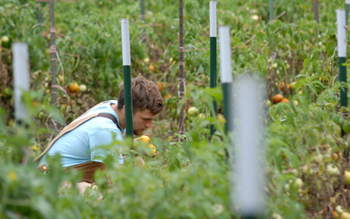
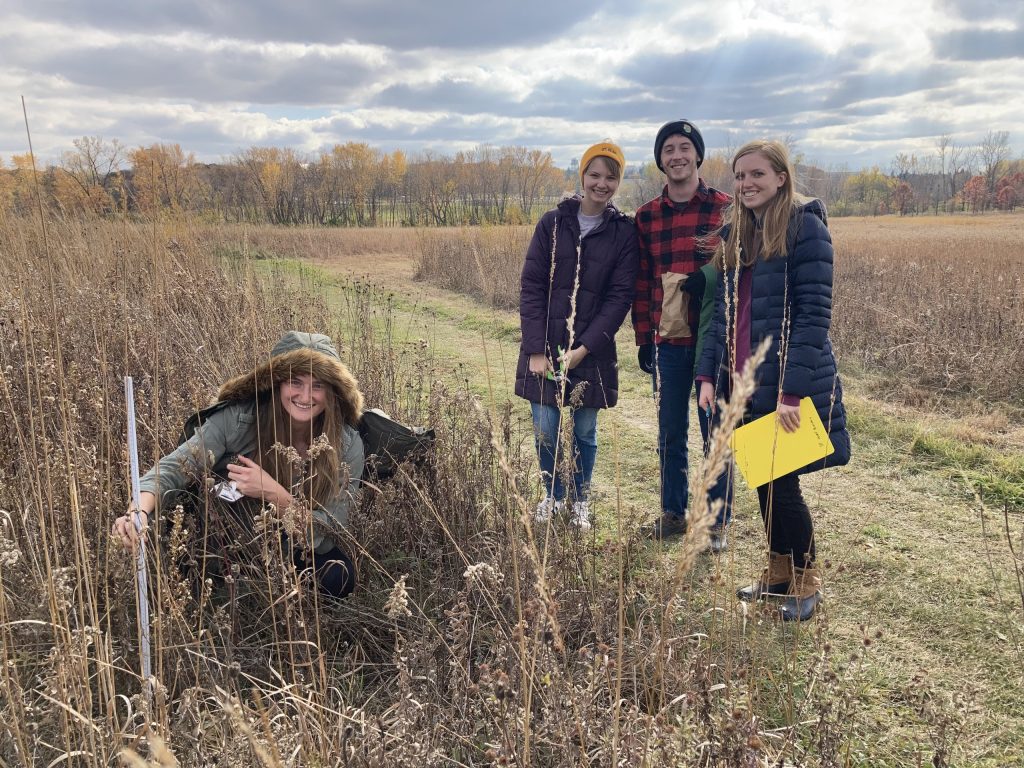
Environmental Research Opportunities
Collaborative Undergraduate Research and Inquiry (CURI)
The CURI program provides opportunities for St. Olaf students from all academic disciplines to gain an in-depth understanding of a particular subject through working closely with a St. Olaf faculty member in a research framework. Many CURI research projects relate to issues of environment and sustainability. These research collaborations take place during both the summer and the academic year. The CURI program provides funding for students to disseminate their research to a wider audience by presenting at conferences or in other appropriate venues.
Research with Local & Global Partners
At least fifteen faculty members engage in scholarly work associated with environmental sustainability concerns spanning local to global scales. Many of these same faculty participate in the environmental studies department while others see an environmental context as a rich space for scholarship and creative output that can lead to social and environmental change.
Independent Study/Independent Research
Students interested in conducting research have opportunities to partner with faculty to pursue research through 297 and 398 numbered courses during the academic year.
Environmental Research by St. Olaf Professors
Seth Binder – Environmental Studies/Economics
Evaluated mechanisms that express humanity’s fundamental environmental limits and opportunities for cooperative land use/commons.
Learn More
Kiara Jorgenson – Environmental Studies/Religion
Published work that wrestles with ecotheologies, biophilia, and ecological resistance movements.
Learn More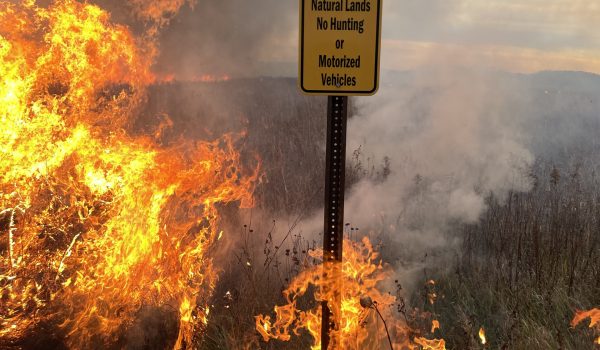
Charles Umbanhowar Jr. – Environmental Studies/Biology
Examined the dynamics between fire and vegetation in the boreal forests boundaries; also serves as the Director of the Natural Lands.
Learn More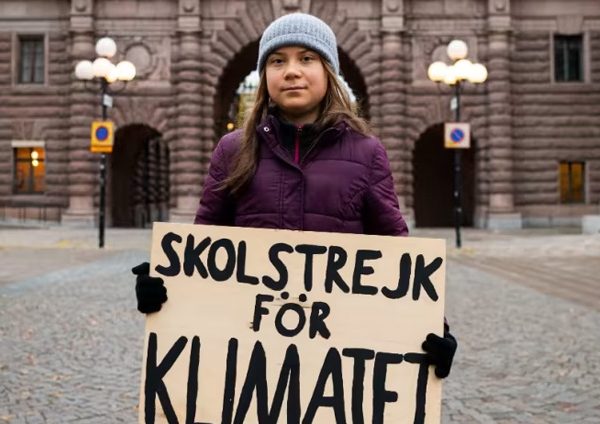
Jenna Coughlin – Norwegian/Nordic Studies
Directed a research project on the international reception of Greta Thunberg and youth climate activism.
Learn More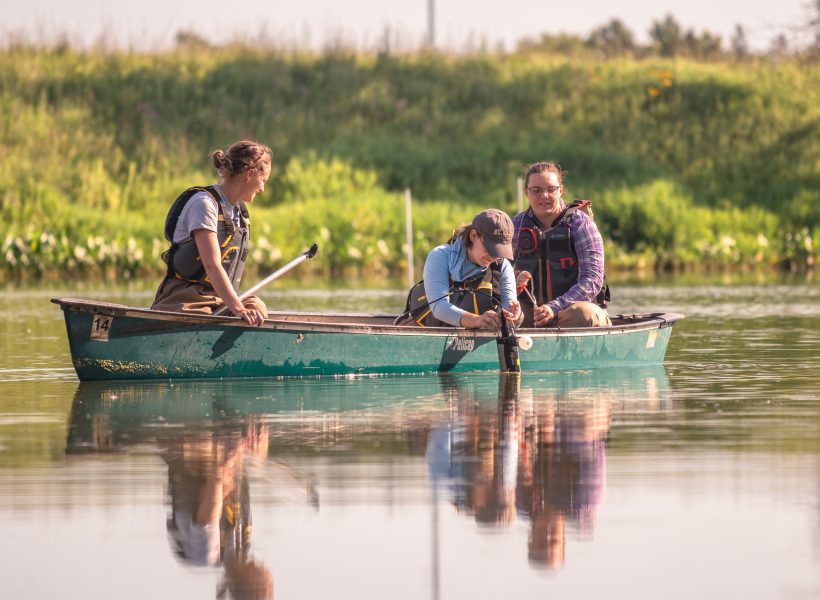
Clean River Partners
Environmental studies and biology faculty and students have been instrumental in supporting the research projects of Clean River Partners, a local NGO concerned with water quality and agricultural and urban runoff for the Cannon River watershed that drains 1,460 square miles of land in southeastern Minnesota.
You must be logged in to post a comment.