
Learn
about the sustainability initiatives that are an essential part of the St. Olaf dining experience.
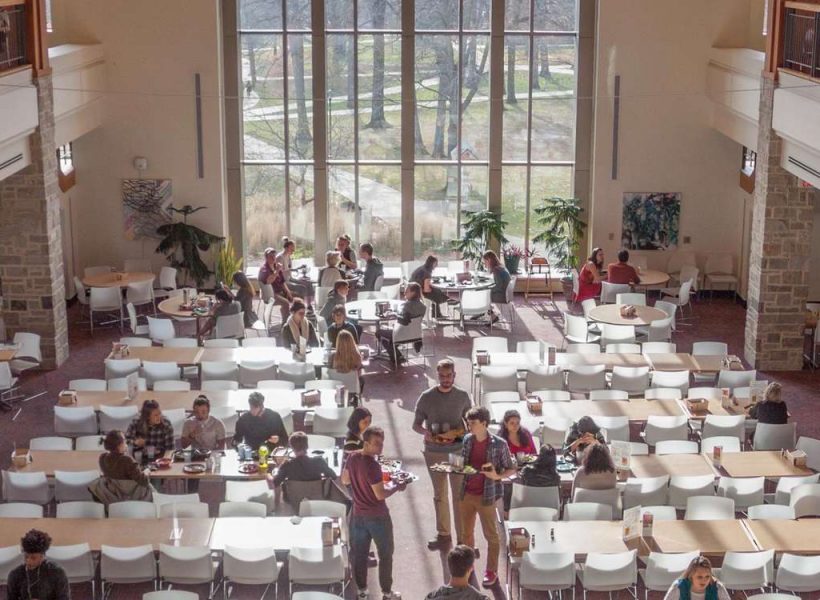
Bon Appétit, St. Olaf’s contracted food service company, has a strong history of providing fresh and nutritious food in a sustainable and socially responsible way to establishments across the US.
The company is engaged in many programs to improve the sustainability and equity of our national food system, prioritizing local food, humane and healthy food sourcing, and farmworker’s rights. All of these nationwide efforts are reflected in the food you eat while dining at St. Olaf. Read more about Bon Appétit’s commitments to sustainable initiatives here.
Some of Bon Appétit’s Sustainable Food Sourcing Commitments:
-
- All shell eggs are purchased from cage-free farmers.
-
- All coffee and tea brands are fair trade organic.
-
- All seafood purchased is on the Monterey Bay’s “Seafood Watch” good list, ensuring that the seafood sources operate causing little to no harm to the surrounding environment and are managed sustainably. Bon Appétit only purchases seafood that will require zero air miles to transport.
-
- 90%+ of fruit and vegetable purchases come from within North America, and the college food service uses fair trade bananas from Mexico.
-
- All of the chicken and liquid dairy products purchased are free of growth hormones and antibiotics.
Decreasing Food Waste
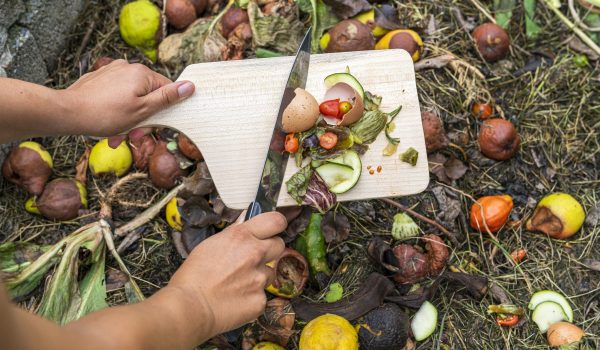
Bon Appétit takes food waste seriously – the company is aiming to reduce food waste and loss by 50% by 2030. Check out the ways the college’s food services deal with leftover food responsibly.
Beginning in February 2022, Bon Appétit started a new waste reduction initiative called Waste Not 2.0, a digital platform which allows food service workers to thoroughly categorize and record the amount and type of food waste produced throughout the day. This careful recording system provides useful feedback and data synthesis that leads to intentional adjustments in the menu to reduce unnecessary food waste.
The St. Olaf Food Recovery Network is a student-led effort dedicated to reducing food waste and hunger in our community. They partner with Bon Appétit to collect leftover food from Stav Hall and package it for redistribution at the Northfield Area Learning Center, the Key, and the Community Action Center. For more information about the program or volunteering, please email the FRN leaders at frnleaders@stolaf.edu.
Bon Appétit composts 100% of its food waste at the end of each day. This includes:
- Unwanted food scraps from student’s plates
- Leftovers from catered events
- Prepped but unserved food for meals from the Caf
- Leftovers/unserved food from the Cage
- All napkins
This food is then liquified, put in a compost bin, and transferred down to the compost collection vessel in Buntrock Commons. Waste Management transports those materials along with other collected compostables to the SET-Empire facility about 25 miles north of campus.
Stav Hall does not provide trays for carrying food. Students carry their bowls and plates to their seats without trays, which only allows them to carry a certain amount of food at a time. This decreases the amount of leftovers and post-service food waste while still ensuring that students get as much food as they want, thanks to Bon Appétit’s buffet-style service where one can return to the central servery for more.
To-Go Containers

Beginning in February of 2023, Bon Appétit partnered with the company Usefull to offer caf-goers a reusable to-go container if they want to bring their meal outside of the cafeteria. The Usefull bowls replaced the caf’s previous compostable to-go containers. While more sustainable than plastic or styrofoam, compostable containers still accumulated a large volume of waste.
The Usefull bowls are made of stainless steel with a teal silicone lid, making them a sturdy and sustainable to-go container that won’t be mistaken for trash. The bowls can be returned at two locations in Buntrock Commons, and the return stations are accompanied by a compost bin for students to dispose of any leftover food.
You must be logged in to post a comment.