10 Courses Required for the FMS Major
A major in Film and Media Studies consists of 10 courses: FMS 101: Introduction to Film Studies, FMS 140: Film History or FMS 160: The Media Landscape, FMS 280: Film and Media Theory, FMS 220:Film and Media Production, plus six (6) additional courses, one of which must be a production course and one of which must be a 300-level course. At least two of the four remaining electives must be courses offered by the program.
Students may petition to have courses that are not designated as approved courses count toward the major. Both the course instructor and director of the program must grant their approval in such a situation.
No more than two courses from other institutions may count toward the major.
For More Information on Requirements
Student must take THREE core courses offered by the program. FMS 101 and 280 are required. Students can choose between FMS 140 and FMS 160.
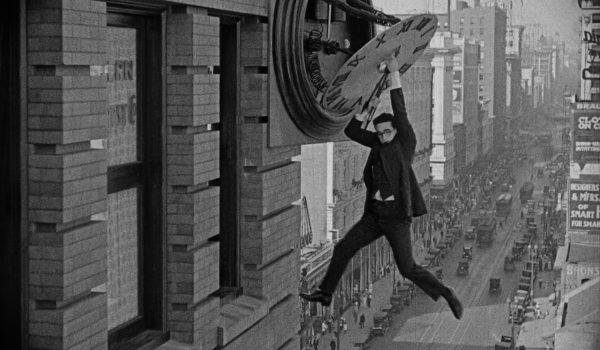
This course provides an overview of film studies by focusing on three areas: history of film, production (the basic tools of film-making), and theory (the basic vocabulary of film analysis). Students develop visual literacy through engagement with the primary structures, methods, practitioners, history, ideas, and vocabularies of film studies.
This course provides an overview of film studies by focusing on three areas: history of film, production (the basic tools of film-making), and theory (the basic vocabulary of film analysis). Students develop visual literacy through engagement with the primary structures, methods, practitioners, history, ideas, and vocabularies of film studies.
This course encourages students to critically assess and shape their personal relationship to the media landscape. Its premise is that we are all, to some extent, uninformed and uncritical consumers of media products, services and effects rather than conscientious and civically engaged users of them. In this spirit, this course is designed to give students a theoretical, as well as practical, experience with issues of gender, race, class, and sexuality as they manifest in mediated artifacts of popular culture. The course is taught from a media studies perspective where students gain skills in critical analysis and media literacy. Concepts of power, privilege, justice, representation, hegemony, consumption and resistance are woven throughout course readings, images, assignments and discussions.
This course is an introduction to the major figures, concepts, and debates in film and media theory (1915 to the present day). Although a historical framework informs the structure of this course, students are strongly encouraged to observe similarities and differences within the same schools of theory as well as across different theoretical models and periods. Topics of study include formative and realist film theory, psychoanalysis, semiotics, new and digital media, feminist media theory, and postmodernism.
Prerequisite: FMS 101 or permission of instructor.
Students must take at least TWO of these courses offered by the program. The courses below rotate topics and may be taken up to three times.

Hollywood and other popular cinemas around the world divide their film narratives into different genres like melodrama, horror, musicals, science fiction, film noir, and gangster cinema. Some of these genres stem from literature and theater, and most have subsequently influenced television, video games, and other media production. In this course students analyze the history and characteristics of one of these genres in detail or compare and contrast influential examples of genre production. May be repeated if topics are different.
Hollywood and other popular cinemas around the world divide their film narratives into different genres like melodrama, horror, musicals, science fiction, film noir, and gangster cinema. Some of these genres stem from literature and theater, and most have subsequently influenced television, video games, and other media production. In this course students analyze the history and characteristics of one of these genres in detail or compare and contrast influential examples of genre production. May be repeated if topics are different.
This course focuses on the film and/or media production of a particular nation, region, or economic and cultural partnership across borders. It gives students a historical overview of influential national and transnational cinemas, or other global media products. May be repeated if topics are different.
In this course, students learn about the history, theory, and practice of a specific film or medium mode. This can include such modes as documentary cinema, experimental film and media, animation, television, video games, or social media such as Facebook, Twitter, or Instagram. May be repeated if the topic is different.
This course closely examines a specific period in the history of cinema or other media. Students study the relationship between film and media texts and their historical context and social environment. The course rotates topics to emphasize either an influential period (national or global) or historical movements.
Students may choose TWO of their following electives from courses offered by other programs and departments. At least one of these courses must be a 200-level course. Courses that are not offered regularly will require approval from the director.
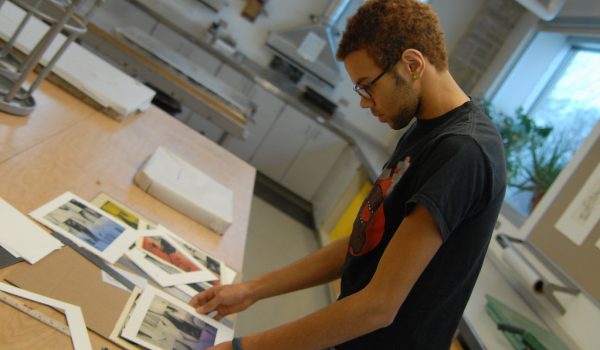
This course focuses on the creative use of digital video as a tool to generate experimental films and video art. Students study all aspects of production from concept to screening, including idea generation, pre-production planning, storyboarding, lighting, shooting, editing, and sound design. Students regularly screen, analyze, and discuss contemporary and historic examples of time-based media. During the semester students produce a variety of short videos and films, exploring experimental, narrative, and documentary approaches. Materials fee.
Prerequisite: ART 104 or permission of instructor.
This foundation-level studio course introduces the aesthetic, conceptual, and technical foundations of new media art-making. Students explore creative approaches to digital, time-based, and interactive art processes; examples include digital photo-montage, 3D printing, video art, and web-based art. Idea generation and development is central to the course, with an emphasis on experimentation and divergent thinking. Students engage in dynamic activity, spirited investigation,and thoughtful creative expression. Materials fee.
This foundation-level studio course introduces the aesthetic, conceptual, and technical foundations of new media art-making. Students explore creative approaches to digital, time-based, and interactive art processes; examples include digital photo-montage, 3D printing, video art, and web-based art. Idea generation and development is central to the course, with an emphasis on experimentation and divergent thinking. Students engage in dynamic activity, spirited investigation,and thoughtful creative expression. Materials fee.
This course focuses on the creative use of digital video as a tool to generate experimental films and video art. Students study all aspects of production from concept to screening, including idea generation, pre-production planning, storyboarding, lighting, shooting, editing, and sound design. Students regularly screen, analyze, and discuss contemporary and historic examples of time-based media. During the semester students produce a variety of short videos and films, exploring experimental, narrative, and documentary approaches. Materials fee.
Prerequisite: ART 104 or permission of instructor.
Focusing primarily on contemporary works, this course introduces students to Arab American literature and film by exploring different literary and film genres (the novel, memoir, poetry, documentary film, feature film). Students examine shared thematic concerns related to immigration, exile, displacement, gender, religion, and racism. Students also consider how this literature and film draws upon and responds to past and present sociopolitical conflicts. Offered alternate years in the fall semester. Also counts toward race and ethnic studies major and Middle Eastern studies and race and ethnic studies concentrations.
Prerequisite: FYW.
Students explore the complex relationships between literature and film. How do we translate the verbal into the visual? What can novels do that films cannot and vice versa? Subject matter includes both classic and contemporary fiction and film.
Prerequisite: FYW.
These courses emphasize the study of literature united by specific formal elements rather than by theme, topic, historical period, or national origin. The genre studied may be broad, such as narrative fiction, or narrowly defined, such as the elegy. The course focuses on the study of literature through a critical exploration of form. May be repeated if topic is different.
Prerequisite: FYW.
This course will introduce to you to conversations about video games in the umbrella of English studies and media studies. You will investigate the motives (economic, cultural, and aesthetic) behind game development while analyzing how games function as rhetorical artifacts. Additionally, you will examine game studies, media studies, and rhetorical theory that explains how video games function as interactive literature. The course includes a rigorous reading schedule so that you can get a broad view of the scholarship on video games. However, to ground these theories, this class will also include a hands-on, laboratory component. Sometimes the gaming labs will be individual, meaning that you are playing shorter games on your own. Other times, these experiences will be collaborative, meaning that you will work in teams to experience more time-consuming games.
Students learn the techniques of screenwriting, including how to write a treatment, to create backstories, and to break down scenes. Each student produces and revises a narrative screenplay.
Prerequisites: FYW and at least sophomore status.
Additional Elective Courses Offered (Continued) & Study Abroad Opportunity
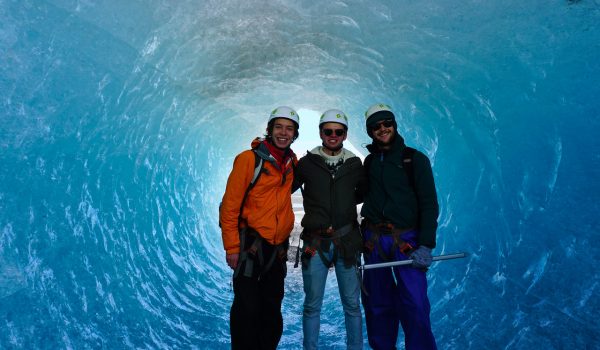
This course will be taught off-campus, with one week at St. Olaf followed by three weeks in Iceland. Students study various media representations of nature, while specifically addressing the ways in which journalists, activists, filmmakers and artists have responded to global warming and climate change. Prior to departure students learn about documentary cinema and acquire introductory filmmaking experience. During their stay in Iceland, students attend lectures on media and climate change, discuss course topics with scholars and artists, and visit heterogeneous sites, including art museums, geothermal power plants and national parks. Course assignments include group presentations, a final exam, and a collaborative documentary filmmaking project.
Students examine the limitations and the enormous potential of film in depicting and interpreting past events in U.S. history. They analyze films using a variety of theoretical models and explore the ways feature films and documentaries have explored themes like race, conquest, war, and politics in American history. Writing assignments enable students to demonstrate their analytical skills.
Students examine the limitations and the enormous potential of film in depicting and interpreting past events in U.S. history. They analyze films using a variety of theoretical models and explore the ways feature films and documentaries have explored themes like race, conquest, war, and politics in American history. Writing assignments enable students to demonstrate their analytical skills.
This film course introduces students to contemporary Nordic film. Readings/screenings present abroad spectrum of contemporary issues, along with current critique and theoretical approaches.Topics include: history, culture and society, translation, gender/sexuality, national identity, urbanization, minority issues, etc. Students attain an understanding of these cultural trends and the technical terminology to watch, read, think, talk, and write critically and intelligently about films as text. Taught in English.
This course considers masterworks of Russian and Soviet cinema from the Bolshevik revolution to the present. Students examine significant Russian contributions to world cinema. Readings and topics include basic cinema analysis, Russian cinema criticism, and Russian film theory. Offered alternate years. Counts toward Russian area studies major and film studies concentration; does not count toward Russian language major.
This studio course is centered on training the actor’s instrument and developing basic acting skills including characterization, vocal production, physical and emotional connection, motivation and ensemble work. Students learn history of actor training from Stanislavski to present.Exercises, improvisation, monologue and scene work are all explored. This course requires trips to professional theaters in the Twin Cities. A ticket fee is required.
Two Production Courses: ONE must be FILM 220 and ONE may be taken from the following courses offered inside and outside of the program.
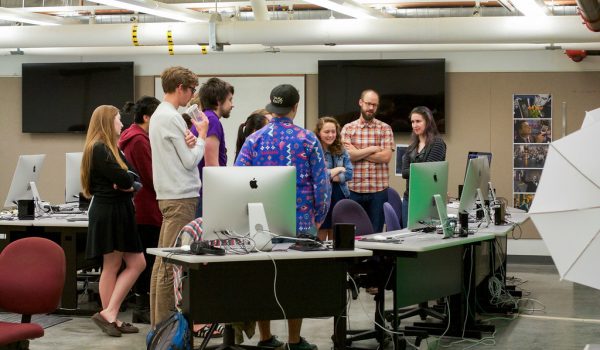
This course introduces students to film and media production. The course rotates topics to accommodate various modes of production such as documentary, experimental, and narrative filmmaking. Students view and study film, learn the creative and technical skills associated with the course’s focus, as well as participate in their own film and media productions.
Prerequisites: FMS 101 or FMS 160 recommended.
This course focuses on the creative use of digital video as a tool to generate experimental films and video art. Students study all aspects of production from concept to screening, including idea generation, pre-production planning, storyboarding, lighting, shooting, editing, and sound design. Students regularly screen, analyze, and discuss contemporary and historic examples of time-based media. During the semester students produce a variety of short videos and films, exploring experimental, narrative, and documentary approaches. Materials fee.
Prerequisite: ART 104 or permission of instructor.
This course focuses on the practices, ethics and challenges of video journalism in a digital age. Students learn imaged-based journalism through academic analyses, review of stories reported by Twin Cities newsrooms, and hands-on production of multiple video broadcast and online news stories. Students acquire video shooting, editing and interviewing skills relevant to the workplace today. The course includes two trips to the Twin Cities to visit the studio and Capitol bureau of KARE 11, the NBC television affiliate in Minneapolis. Offered periodically.
This is an advanced film and media production course that builds upon students’ prior skills in the field. It gives them the opportunity to further develop their expertise and skills in developing advanced film and media projects. The course rotates topics to accommodate various approaches and types of film and media production. Offered periodically.
Prerequisite: FMS 220 Film and Media production or comparable course.
This course introduces students to film and media production. The course rotates topics to accommodate various modes of production such as documentary, experimental, and narrative filmmaking. Students view and study film, learn the creative and technical skills associated with the course’s focus, as well as participate in their own film and media productions.
Prerequisites: FMS 101 or FMS 160 recommended.
This course introduces students to film and media production. The course rotates topics to accommodate various modes of production such as documentary, experimental, and narrative filmmaking. Students view and study film, learn the creative and technical skills associated with the course’s focus, as well as participate in their own film and media productions.
Prerequisites: FMS 101 or FMS 160 recommended.
This course focuses on the creative use of digital video as a tool to generate experimental films and video art. Students study all aspects of production from concept to screening, including idea generation, pre-production planning, storyboarding, lighting, shooting, editing, and sound design. Students regularly screen, analyze, and discuss contemporary and historic examples of time-based media. During the semester students produce a variety of short videos and films, exploring experimental, narrative, and documentary approaches. Materials fee.
Prerequisite: ART 104 or permission of instructor.
Students learn the techniques of screenwriting, including how to write a treatment, to create backstories, and to break down scenes. Each student produces and revises a narrative screenplay.
Prerequisites: FYW and at least sophomore status.
This studio course is centered on training the actor’s instrument and developing basic acting skills including characterization, vocal production, physical and emotional connection, motivation and ensemble work. Students learn history of actor training from Stanislavski to present.Exercises, improvisation, monologue and scene work are all explored. This course requires trips to professional theaters in the Twin Cities. A ticket fee is required.
One 300-Level Course
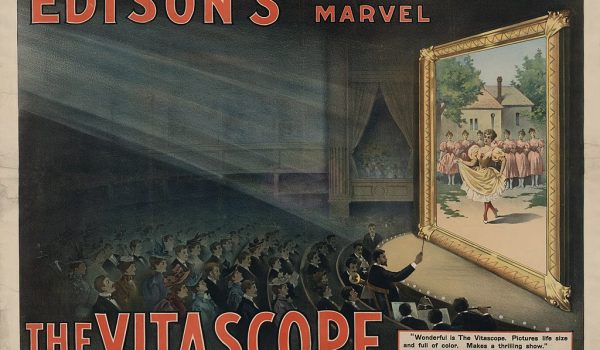
This advanced course rotates between various topics in film that may include genres and styles, authorship, national and transnational cinemas, industrial history, and film’s relationship to other art forms and popular culture at large. Students study films within a context that emphasizes specialized theoretical, cultural, or historical concerns and questions. May be repeated if topic is different.
Prerequisite: FMS 101.