Community Standards
St. Olaf College sets the expectation that community members follow all policies and procedures in order to maintain a supportive, informed, and connected community. Community standards are shared behavioral expectations designed to maintain a safe, respectful, and productive environment for living and learning. Key community standards include but are not limited to:
Community Welfare
- Balancing individual rights with the safety and well-being of the whole campus community.
Support and Accountability
- Supporting student development while holding community members accountable for their behavior.
Welcoming Environments
- Aiming to create an environment that is welcome to all and free from bias.
Student Responsibility
It is a student’s responsibility to live within the framework of community standards. This responsibility involves respectful conduct, personal growth, and community involvement.
Conduct & Respect
- Respect all individuals and be open to different viewpoints.
- Follow policies and procedures and maintain discipline in all areas of the community.
- Be courteous and considerate of people and places.
Growth and Development
- Self-advocate through management of time and emotions.
- Be self-accountable and accept the outcomes of one’s actions.
- Develop character through consistent positive engagement.
Community & Society
- Engage as an active participant in community.
- Be of service to fellow community members.
- Honor the community by acting with integrity and challenging others to do the same.
Intended Outcomes
- Development & Growth: Students will learn to reflect on how their personal values and actions align with community standards and foster long-term behavioral change.
- Social Responsibility & Community Impact: Students will understand their role within the broader community, promoting mutual respect and accountability.
- Interpersonal Competence: Students will develop skills to build and maintain healthy relationships, enhancing their ability to contribute positively to a community.
- Ethical Decision-Making & Practical Skills: Students will learn to apply critical thinking and identify resources to make better decisions.
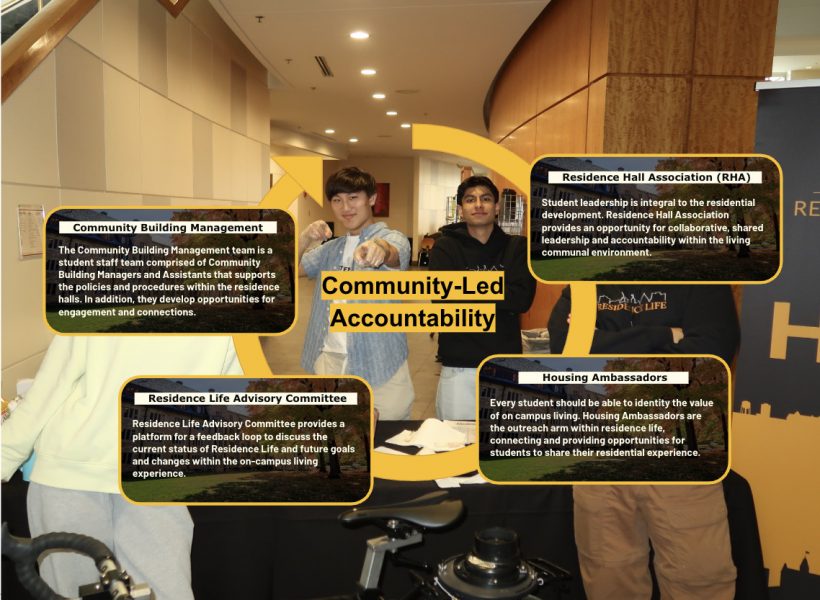
Community-Led Accountability
College is designed to both challenge and support students. Through community-led accountability, all community members are expected to understand and uphold shared standards of behavior.
Community Standards and Student Responsibility partners with groups like the Residence Hall Association (RHA), Housing Ambassadors, the Residence Life Advisory Committee, and the Community Building Management team to foster this environment.
Key Pillars
-
Mechanisms of Action: Utilizing monitoring, discussion, training, and assessment to drive change.
-
Shared Responsibility: Grounding accountability in strong relationships and collective values.
-
Community-Defined Success: Empowering the community to define what accountability looks like, ensuring solutions meet local need.
Critical decision-making skills and accountability are vital to individual and collective success.
Administrative Procedures

Behavioral and Character Review
For Faculty & Administrative Staff Use Only
Faculty & Administrative Staff are requested by the Dean of Students Office to inform all students that a review will be conducted. All students are requested by the Dean of Students Office to share with the respective department any information appropriate. Reviews typically apply to students whose relationship with the College extends beyond the classroom. Past and present behavior impacts the community. It is imperative that, as a community, we strive to select students for select opportunities who represent St. Olaf college and themselves in a manner that is positive, responsible and respectful.

Identity Verification Process
Verifying an individual’s identity before releasing records is essential for maintaining data privacy. Three common requests to the office are: Disciplinary Records, Proof of Residency Letter, and Leasing Reference Applications/Forms.
The verification process ensures sensitive data is shared only with authorized individuals. If your stolaf.edu email is not active, you will need to fully complete the request form. Additional communication may be required before the request can be processed.
Disciplinary Records
Requesting Disciplinary Record
Disciplinary Records are one type of Educational Records. The Dean of Students Office are the custodian of the disciplinary records. Disciplinary Records provided will be redacted. Redacted Reports involves the following:
- Removes the names of all individuals except for the person requesting the report and professional staff member.
- All identifying information on other individuals.
- Dean of Students Office has 45 days after the date of the request was submitted to provide the redacted report.
- If a disciplinary report is being requested for a conduct case that is in progress, the conduct process timeline does not pause.
- The requestor can pick-up the report in-person from the Dean of Students Office or have them e-mailed.
- A fee of $50.00 dollars is applied to each individual case that records are being requested for.
What is FERPA?
The Family Educational Rights Privacy Act (FERPA) of 1974 is a federal law designed to protect the privacy and accuracy of educational records. It grants four specific rights to enrolled students:
- The right to inspect and review educational records maintained by the institution
- The right to request an amendment to records believed to be inaccurate or misleading
- The right to consent to disclosure of one’s records
- The right to file a complaint with the Family Policy Compliance Office in Washington, D.C., concerning alleged failures to comply with FERPA
What is Not Considered an Educational Record?
Personal files used and maintained by faculty & staff that are kept solely for individual reference and not shared or included in a student’s official record.
Files maintained by campus security that are created for law enforcement or safety purposes and maintained separately from educational records.
Educate Yourself
Brief Alcohol Screening and Intervention for College Students
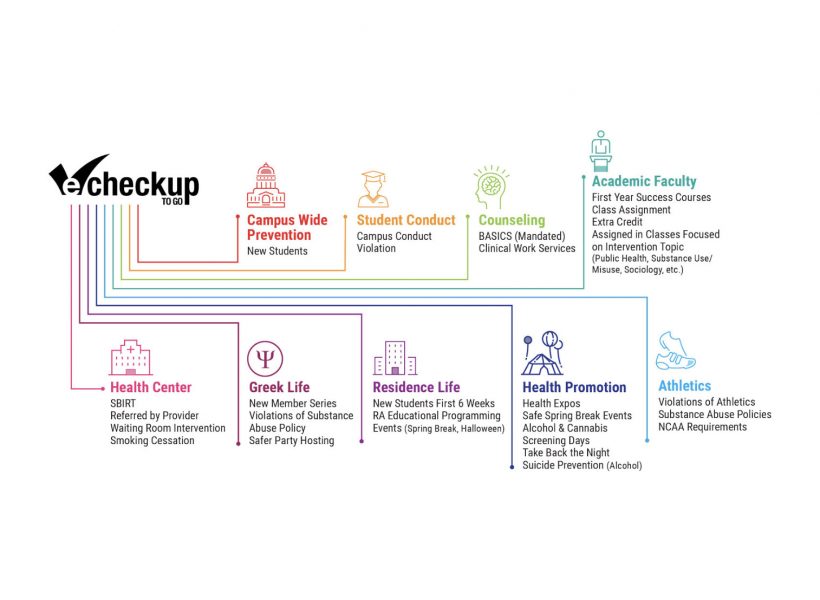
eCHECKUP To Go
The programs are personalized, evidence-based online interventions that are designed to motivate users to make positive changes and hence improve overall well-being and mental health. St. Olaf College is enrolled in the program, and students through their stolaf.edu email account can take an assessment. The assessments are $50.00. The $50.00 is applied to your student account.
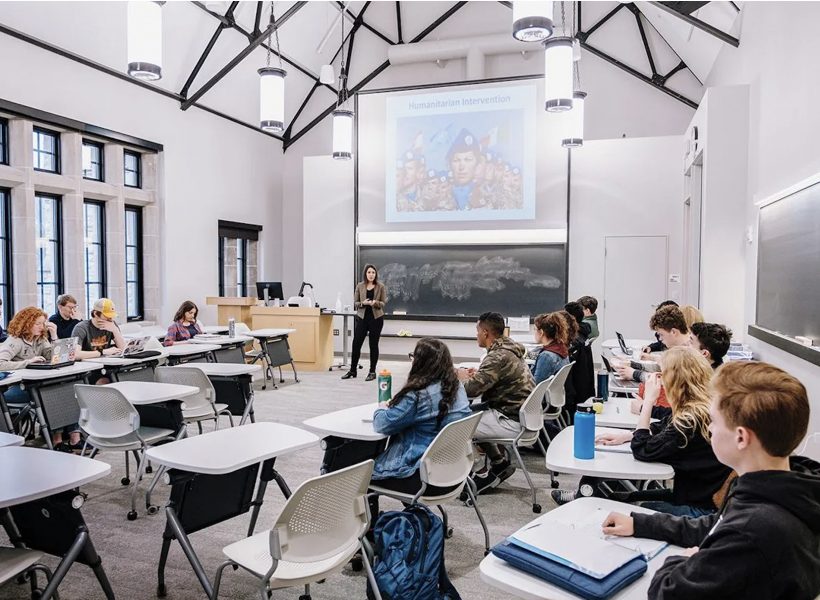
Critical Decision-Making

The Book

Student Code of Conduct
Residence Life Policies and Procedures

Parking Services
Understanding and alignment with college policies and procedures supports a safe, productive and thriving campus environment. Key areas include understanding code of conduct, residence life policies, parking and college administrative procedures. Active engagement via orientation, informational sessions, floor meetings and reading print and electronic communications fosters compliance and enhances the on-campus living experience.
It is critical that you know your support mechanisms and opportunities to engage in the process.

Use of Space
St. Olaf College buildings and grounds are intended for use by students, faculty, staff and guests in support of the College’s mission. Individuals, groups or organizations may use College facilities and grounds in accordance with established policies and guidelines. As a private institution, St. Olaf College reserves the right to prohibit forms of speech deemed contrary to its mission, and prohibit speech devoid of educational value or potentially harmful to the St. Olaf Community.

Social Media

Community Concern
If you are concerned about any behaviors involving St. Olaf College students, whether these behaviors occur on or off campus (i.e. Student Code of Conduct violations, a student who you feel may be struggling physically or psychologically, at-risk, or any other behaviors of concern) please report via this form.

Forms of Assembly
- Demonstration: A large group of people, usually gathering for a cause. It sometimes includes a group march, ending with a rally or a speaker. A demonstration is similar to a protest in that they both can use the same or similar methods to achieve goals.
- March: A walk by a group of people to a place in order to express an objection to any event, situation, or policy.
- Protest: A protest is a way to express objections with any event, situation, or policy. These objections may be manifest either by actions or by words.
- Sit-in: Any organized protest in which a group of people peacefully occupy and refuse to leave college premises.
- Vigil: An observance of commemorative activity or event meant to demonstrate unity around a particular issue or concern, and/or to promote peace and prevent violence.
Discussing the student conduct process is crucial for promoting safety, personal accountability, and educational growth rather than just punishment. It clarifies campus expectations, reduces student anxiety by outlining rights and procedures, and helps students understand the impact of their behavior on the community.
Key Reasons for Discussing the Conduct Process:
Safety & Community Standards
It ensures a secure, productive environment by reinforcing community standards, which promotes a sense of safety and mutual respect on campus.
Procedural Fairness
Openly discussing the process ensures students are aware of their rights, including the right to due process, notice of allegations, and the opportunity to respond appropriately and effectively.
Educational Development
The process is designed to help students learn from their actions, reflect on their behavior, and understand the relationship between their choices and their values in a meaningful way.
Defining Expectations
It sets clear guidelines on policies, which prevents students from being caught off guard by expectations and requirements. High attainable expectations signals ability to meet full potential.
Reduce Anxiety & Confusion
Proactively explaining the steps of the process reduces fear of the unknown and helps students feel treated fairly, supported, and confident throughout each stage of the process.