Mission
The St. Olaf Wellness Center empowers students to make balanced, informed lifestyle choices through inclusive education, skill-building, and supportive resources.
Vision
A campus where every student feels supported, informed, and inspired to lead a healthy, balanced, and connected life.
individuals were recorded attending a Wellness Center Presentation in Fall 2025
of students who attended agreed or strongly agreed the presenter had a good understanding of the topic
of students who attended agreed or strongly agreed that they were engaged during the presentation
of students who attended agreed or strongly agreed that the presentation made a positive impact on their well-being and they are glad to have attended
Our Logo
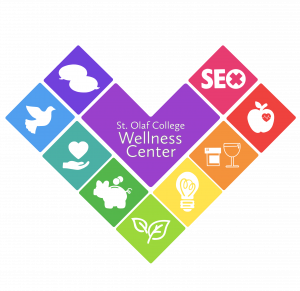
Quick link to our daily self-care planning worksheet based our the 9 areas of wellness.
 Emotional Wellness
Emotional wellness is about being in tune with your inner world and learning how to navigate life’s ups and downs with balance, care, and resilience.
- What Emotional Wellness Involves
Paying attention to your thoughts, feelings, and behaviors — both positive and negative
Managing stress and emotions in healthy, constructive ways
Approaching situations realistically and responding to life events with resilience - Why It Matters
Helps you adapt to change and cope with loss
Encourages self-awareness, self-respect, and emotional maturity
Inspires the development of inner strength and a stronger sense of stability - How to Practice Emotional Wellness
Recognize when you need help and seek it without shame
Use healthy coping strategies like mindfulness, journaling, creative expression, or talking with trusted people
Focus on habits that foster resilience and inner peace so you can face challenges with greater confidence
The Bigger Picture
Emotional wellness isn’t about always feeling happy — it’s about being honest with yourself, responding to life with compassion, and building the tools to stay grounded through uncertainty. By nurturing emotional awareness and practicing self-care, you create space for growth, connection, and a deeper sense of well-being.
Environmental Wellness
Environmental wellness is about living in a way that respects and cares for the world around you — and creating spaces where everyone can thrive.
- What Environmental Wellness Involves
Recognizing your personal and community responsibility for the quality of air, water, and land
Understanding how your daily habits shape your ecological footprint
Being mindful of the efficient use and protection of natural resources - Why It Matters
Promotes healthier, safer environments for yourself and future generations
Encourages sustainable choices that reduce harm to the planet
Supports awareness of how the environment affects mental, physical, and social health - How to Practice Environmental Wellness
Make conscious choices — like reducing waste, recycling, reusing materials, and conserving energy and water
Advocate for or support initiatives that protect and restore ecosystems
Learn about your local environment and how to minimize negative impact
The Bigger Picture
Environmental wellness isn’t just about nature — it’s about people, too. By creating inclusive, accessible spaces and supporting community efforts, you help build environments where everyone feels welcome, valued, and safe. Living sustainably and mindfully strengthens your connection to the world and contributes to a healthier planet for all.

Financial Wellness
Financial wellness is about developing the knowledge and habits to manage your money wisely, plan for the future, and handle challenges with confidence.
- What Financial Wellness Involves
Learning how to budget and track expenses effectively.
Taking steps to live within your means while setting realistic financial goals.
Thinking short‑term and long‑term about how you use and save your resources. - Why It Matters
Builds financial knowledge, independence, and responsibility.
Helps you prepare for planned and unplanned costs (emergencies, medical bills, car repairs, etc.).
Reduces financial stress and increases your sense of stability and control. - How to Practice Financial Wellness
Create and stick to a budget that reflects your income, needs, and priorities.
Save regularly, even in small amounts, for future goals and unexpected expenses.
Stay informed about loans, taxes, debts, and retirement planning to make smart decisions.
Seek guidance from trusted financial tools, advisors, or campus resources if you need support.
The Bigger Picture
Financial wellness isn’t about wealth — it’s about confidence and clarity. By understanding your current and future financial situation, you can build habits that support your goals, handle challenges with less stress, and create the foundation for long‑term security.

Intellectual Wellness
Intellectual wellness is about expanding your mind, seeking new ideas, and engaging in lifelong learning that helps you grow personally and share that growth with others.
- What Intellectual Wellness Involves
Actively expanding your knowledge and staying curious.
Pursuing creative and mentally stimulating activities.
Exploring opportunities that enhance your skills and allow you to share what you learn. - Why It Matters
Builds problem‑solving skills and encourages independent thinking.
Helps you overcome barriers and challenges with confidence.
Strengthens your ability to adapt to change and remain open‑minded. - How to Practice Intellectual Wellness
Engage in academics or other structured learning opportunities.
Get involved in cultural or community activities that broaden your perspective.
Explore personal interests — read, write, create art, learn a language, or try a new hobby.
Discuss ideas with others to share knowledge and gain new insights.
The Bigger Picture
Intellectual wellness is rooted in the desire to keep learning throughout life. Each new skill, experience, or perspective contributes to growth, helps you think more critically, and enriches your connection to the world around you.

Physical Wellness
Physical wellness is about taking care of your body so it can function at its best and support you every day. It means making mindful, sustainable choices that promote health, strength, and balance.
- What Physical Wellness Involves
Making responsible and positive choices for your body’s care.
Providing your body with the nourishment, rest, and support it needs.
Understanding that your daily habits directly impact your energy, immunity, and overall health. - Why It Matters
Reduces your risk of illness, fatigue, and injury.
Supports better mental and emotional health.
Improves overall quality of life by helping you feel stronger and more resilient. - How to Practice Physical Wellness
Get adequate sleep and maintain a consistent sleep schedule.
Eat a balanced, nutritious diet and stay hydrated.
Engage in regular physical activity you enjoy (walking, dancing, sports, etc.).
Listen to your body — rest when needed and seek medical care when necessary.
The Bigger Picture
Physical wellness isn’t about perfection; it’s about supporting your body’s needs consistently. By caring for your physical health, you create a foundation for emotional, mental, and social well‑being.

Sexual Wellness
Sexual wellness is about understanding, respecting, and caring for your sexual health and identity. It means making informed choices, honoring boundaries — your own and others’ — and fostering a culture of respect and consent.
- What Sexual Wellness Involves
Gaining knowledge and skills to make informed, balanced decisions about your sexual self.
Accepting and feeling comfortable with your sexual identity.
Building sexual relationships that reflect your values, comfort, and stage of development. - Why It Matters
Encourages healthy, respectful relationships.
Reduces the risk of sexually transmitted infections (STIs) and other health issues.
Supports emotional well‑being by helping you feel confident and empowered in your choices. - How to Practice Sexual Wellness
Get regular check‑ups and STI testing when appropriate.
Communicate and honor personal boundaries — and respect others’ limits, including abstinence.
Avoid using sex to manipulate, pressure, or influence others.
Promote a culture of consent by ensuring all interactions are mutually agreed upon.
The Bigger Picture
Sexual wellness is more than physical health — it’s about respect, communication, and integrity. By caring for your sexual well‑being, you support your overall health and help create safer, healthier communities.

Social Wellness
Social wellness is about creating and nurturing meaningful, supportive relationships built on trust, honesty, and respect. It’s also about understanding your role in a broader community and contributing to a culture of care and inclusion.
- What Social Wellness Involves
Developing and maintaining balanced, supportive relationships.
Practicing trust, honesty, and respect in all interactions.
Recognizing when a relationship is no longer healthy or enriching. - Why It Matters
Strengthens your sense of belonging and connection.
Helps you balance time between responsibilities and leisure.
Promotes a more just, caring, and inclusive community. - How to Practice Social Wellness
Use effective communication skills to foster understanding and mutual respect.
Be an ally and advocate for others while also allowing yourself to receive support.
Invest time in healthy relationships while setting boundaries when needed.
Participate in community or group activities to strengthen your sense of interconnectedness.
The Bigger Picture
Social wellness is about more than friendships — it’s about building a network of mutual support and appreciation. By valuing the people around you, you help create a community where everyone can thrive.
Spiritual Wellness
Spiritual wellness is being connected to something greater than yourself and having a set of values, principles, morals and beliefs that provide a sense of purpose and meaning to life, then using those principles to guide your actions.
-
- What Spiritual Wellness Involves. Reflecting on our Values, Beliefs, and Morals (and then living according to them!)
A discovery of purpose and meaning in our lives.
Building an appreciation for life’s experiences. - Why It Matters
Spiritual wellbeing has been linked to longer life expectancy, more confidence in sense of self, stronger mental clarity, higher rates of gratitude and compassion, an increased focus on self-care, and a greater sense of community. - How to Practice Spiritual Wellness
Spirituality can be found in anything: painting, music, gardening, healing, or cooking, for instance. Wherever you find it, it can have a positive impact on your wellbeing. Asking questions such as “Who am I? What do I value? What is my purpose? What matters most? Am I living in alignment with these values and beliefs?” and “How could I live these more?” initiates an exploration of your spiritual core.
The Bigger Picture
When we live in accordance to our value systems, feel connected to something greater than us, and have a sense of purpose, we live a more harmonious and fulfilling life. By giving tools for emotional self-regulation, spiritual wellbeing helps balance our emotional state. In this way, spiritual wellness interconnects all the branches of wellness. - What Spiritual Wellness Involves. Reflecting on our Values, Beliefs, and Morals (and then living according to them!)
Substance Wellness
Substance wellness is about understanding your relationship with substances and making thoughtful, informed choices about their role in your life and society.
- What Substance Wellness Involves
Reflecting on the role substances play in your daily life and in the wider community.
Learning about your personal values and how you react or respond to situations involving substances.
Considering family history of substance use or misuse and how it may affect your own choices. - Why It Matters
Encourages awareness and responsibility in how you approach substances.
Promotes healthy decision‑making that aligns with your values.
Helps reduce the risk of harm and supports long‑term well‑being. - How to Practice Substance Wellness
Stay informed about the risks and potential benefits of substances like alcohol, tobacco, caffeine, cannabis, and prescription medications.
Reflect honestly on your own habits and triggers.
Seek support from professionals or trusted resources if needed.
Understand that choosing not to use certain substances — or using them responsibly — are both valid approaches.
The Bigger Picture
Substance wellness is not about judgment or stigma — and it’s not the same as substance misuse or abuse. It’s about staying informed, making choices that are right for you, and supporting a healthy balance in your life.
In May 2021, we decided to remove Mental Wellness from our logo and replaced it with Emotional Wellness. This was done intentionally. Each area of wellness in our logo contributes to our mental wellness and if we only focus on the outcome (mental wellness) then we lose sight of important factors that contribute. We hope this intentional change will allow us to dive deeper into the topics that impact students on a daily basis and get at the core concerns.
Wellness Center Framework- How do we do this work?
Public Health Model
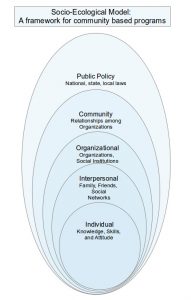
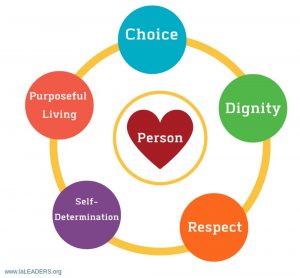
Person-Centered
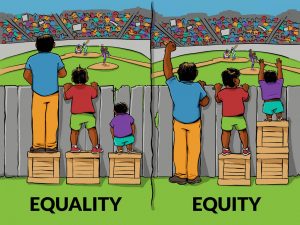
Equity Driven
Accessible

What is wellness?
Health and wellness are often used synonymously. While health focuses on the stated of being, the concept of wellness is focused on digging into all areas of your life to continuously seek balance.
Some definitions of wellness:
“An active process through which people become aware of, and make choices toward, a more successful existence.” – National Wellness Institute
“A state of well-being in which the individual realizes their own abilities can cope with the normal stresses of life can work productively and fruitfully and is able to make a contribution to their community.” – World Health Organization
You must be logged in to post a comment.