Race and Ethnic Studies (RACE)
Explores the central roles of race, ethnicity, and Indigenous sovereignty within systems of power and liberation. RACE centers the experiences of BIPOC communities, empowering students to analyze systemic oppression and cultivate intersectional resistance.
Gender and Sexuality Studies (GSS)
Examines how gender and sexuality shape human experience across cultures, history, and identity. GSS engages critical frameworks to help students navigate intersecting systems of power and become ethical, active leaders in their communities.
Why Our Department?
We bring together interdisciplinary scholarship to examine how identity, power, and privilege shape our world. By centering the histories, lived experiences, and resistance movements of marginalized communities, our programs challenge students to analyze interlocking systems of inequality. Together, we prepare thoughtful, critical thinkers to become active, ethical participants in their communities, careers, and the pursuit of social justice.
Awards and Achievements
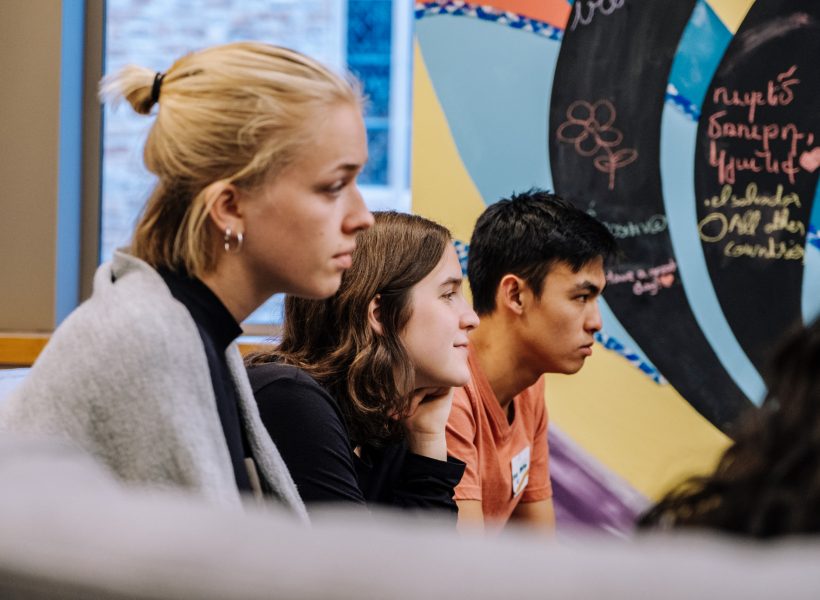
Our department has awards intended to recognize excellence in the scholarship and creative work of senior students in both GSS and RACE majors or concentrators. For students in Gender and Sexuality Studies, the award to recognize this achievement is the Viola Rossing Prize. In the case of Race and Ethnic Studies students can be awarded the Joan Hepburn Award.
Courses overview
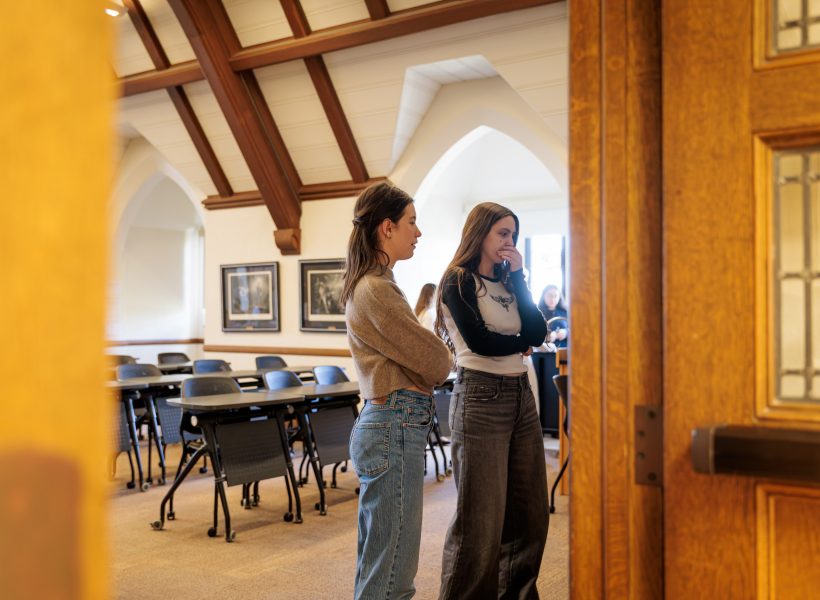
Our foundational and core courses serve as the intellectual engine for both the Race and Ethnic Studies (RACE) and Gender and Sexuality Studies (GSS) programs, offering students the critical frameworks needed to analyze power, identity, and social equity. Through an interdisciplinary approach that bridges the humanities, arts, and sciences, these courses challenge students to examine how race, ethnicity, gender, and sexuality intersect with class, nation, and ability.
Petition for Credit
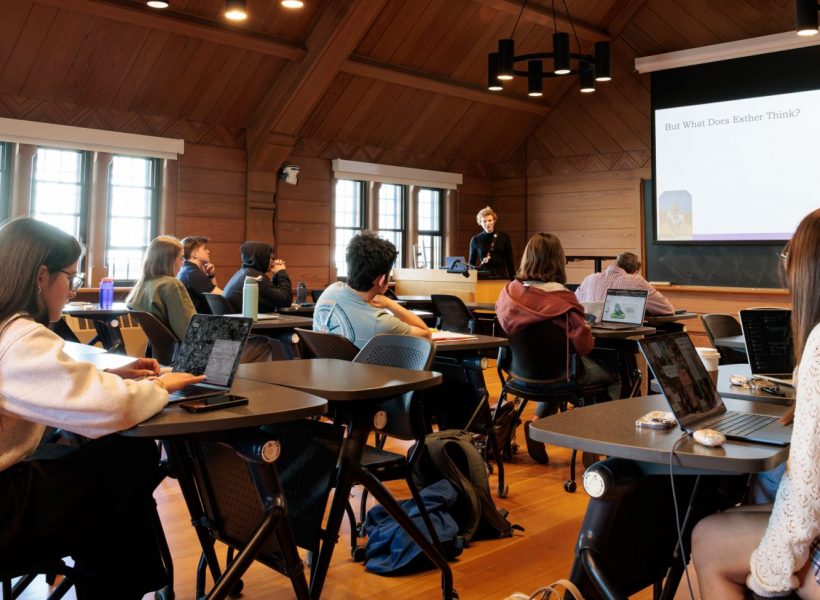
Courses that are not already approved may count for a RACE or GSS credit. Internships may also qualify. To be eligible, 50 percent of the course or internship’s content should focus on the critical study (race, ethnicity, and/or indigeneity; gender and/or sexuality) and should be a learning objective as expressed in the readings and assignments.
Upcoming Community Events
Career Fair with St. Olaf History Alumni
Politics and Pastries
Quiet Week for Advising
+90%
of RACE and GSS majors majors also complete another major (top: Sociology/Anthropology, English, Political Science, Psychology, Biology, Nursing, History)
95-97%
of RACE (95%) and GSS (97%) majors are employed, in grad school, or in a community service program within 7 months of graduating with a St. Olaf degree
10%
of ALL graduating seniors have a RACE or GSS major or concentration. This is supported by 150+ faculty across 24 departments offering RACE and/or GSS courses
Affiliated/Related Student Organizations
Trans Care Collective
Trans Care Collective is a student-led organization dedicated to creating an affirming, supportive, and action-oriented community for transgender, nonbinary, and gender-expansive students at St. Olaf College. We aim to provide peer support, advocate for gender-affirming policies and services on campus, and build a culture of care through education, mutual aid, and community-building events.
Culture Union for Black Expression
Through structured events, the Cultural Union for Black Expression (CUBE) focuses on strengthening the community of self-identifying Black students at St. Olaf College by creating safe spaces and identifying the systems within which we exist. CUBE pursues tangible change through political education, cross-org collaboration, and outreach aimed at removing conditions of oppression.
Indigenous Peples Organization
The Indigenous Peoples Organization is a group for Indigenous students to join together in community. The organization is also available to non-Indigenous students who are wanting to be in conversation and learn more about Indigenous history and culture.
Queer Ole Individuals